

22 Apr
How to Choose the Right Finish System for ACM Panels
Finish Selection for ACM Panels – Why It Impacts Long-Term Performance
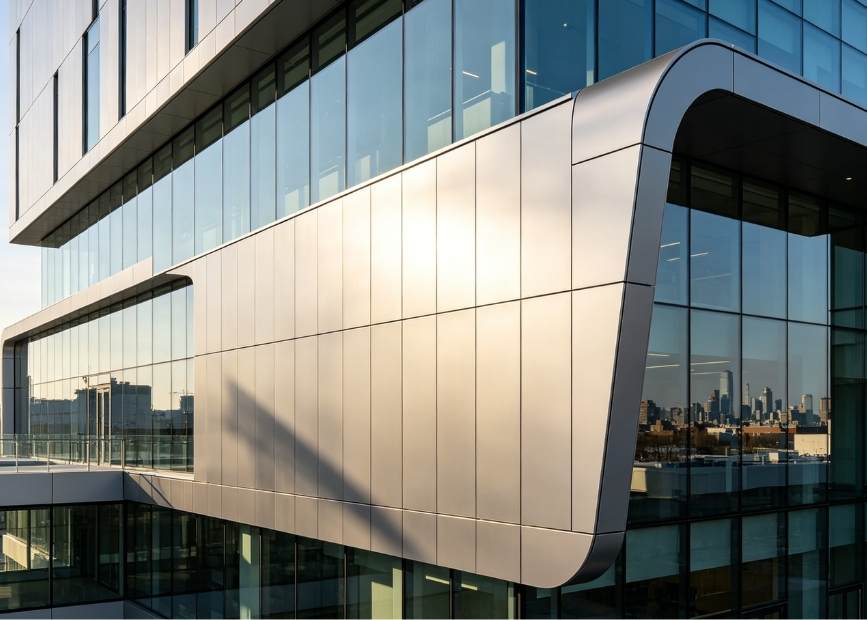
For architects and developers, selecting ACM panels is rarely just about appearance. The finish system behind the surface determines how a façade performs under UV exposure, pollution, humidity, and temperature variation.
A common project risk is choosing finishes based only on visual preference. In real-world applications, this often leads to early fading, inconsistent appearance across elevations, and increased maintenance costs within a short service period.
For instance, using a low-performance surface treatment on exterior cladding may reduce initial cost, but it can result in visible degradation and repainting cycles that significantly increase lifecycle expenses. This is why finish selection should always be treated as a performance-driven decision.
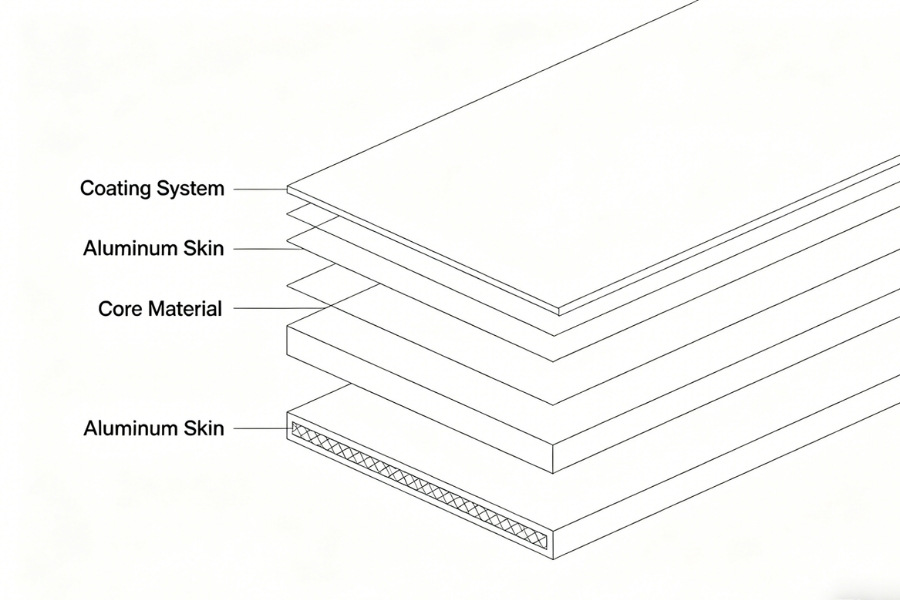
Common Finish Options for ACM Panels Explained
Different surface solutions are designed to meet specific architectural and environmental requirements. Understanding their limitations helps prevent costly specification errors.
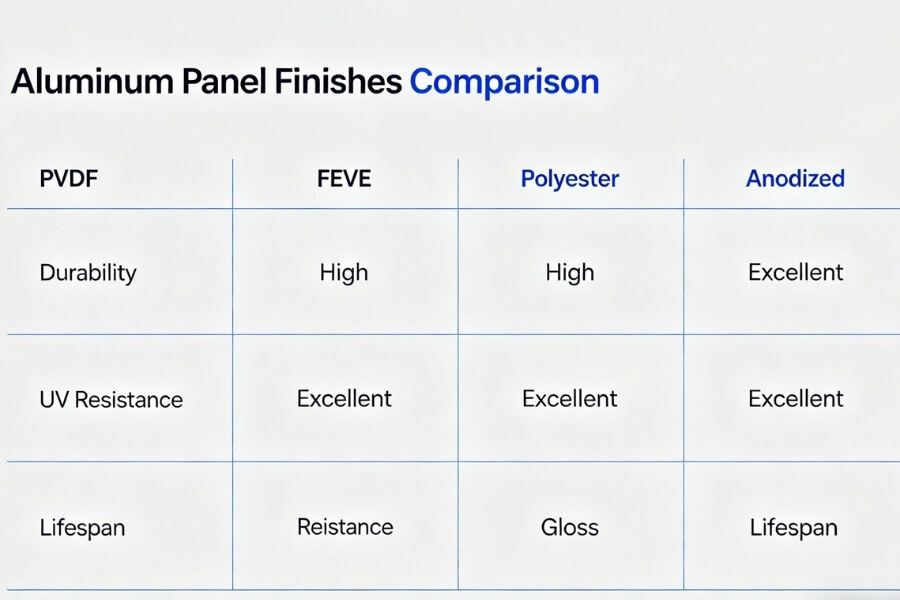
Polyester Finishes – When Cost Becomes a Risk
Polyester-based finishes are commonly used due to their affordability and wide color range. However, they are more suitable for controlled environments.
Limited resistance to UV exposure
Higher risk of fading and chalking
Shorter lifespan in outdoor applications
In façade systems exposed to sunlight, these finishes may lead to noticeable color variation over time, making them more appropriate for interior or low-exposure use.
PVDF-Based Finishes – The Standard for Exterior Performance
Fluoropolymer-based finishes, especially those using PVDF resin, are widely specified for composite cladding panels used in building exteriors.
They provide strong resistance to UV radiation and chemical exposure, long-term color retention, and reliable performance in coastal and high-pollution environments.
From a project standpoint, if long-term façade stability is required, PVDF-based finishes are typically the baseline specification.
FEVE Finishes – For High-Impact Architectural Design
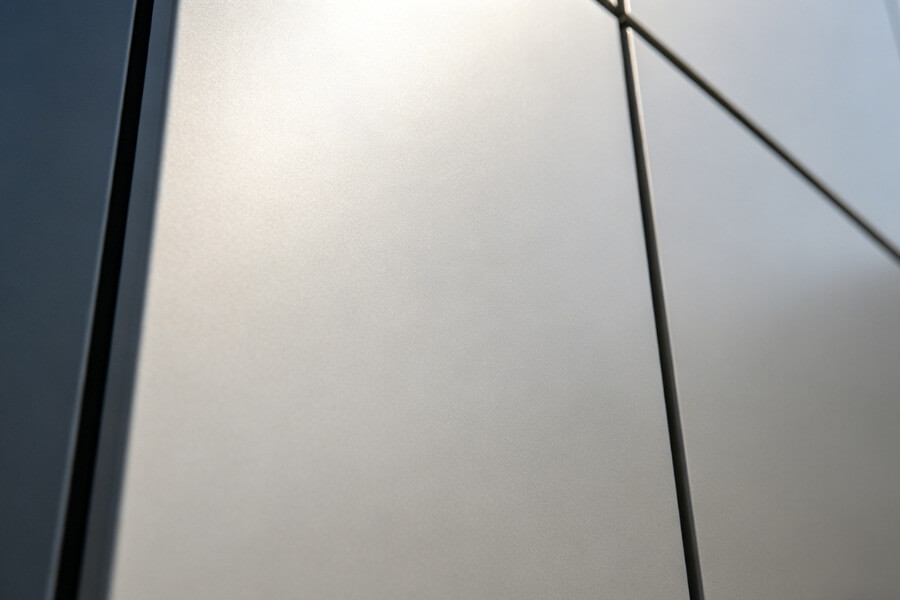
FEVE systems extend fluoropolymer technology by offering enhanced visual properties, including higher gloss levels and more vibrant color expression.
They are typically selected for projects where the building envelope plays a strong visual or branding role.
Anodized Surfaces – Durability with Design Limitations
Anodizing forms a protective oxide layer directly on the aluminum surface, creating a durable metallic finish.
While anodized surfaces provide strong corrosion resistance and a consistent metallic appearance, they introduce limitations in color flexibility and may show variation across large batches, especially in façade-scale applications.
Powder and Decorative Surface Treatments
Powder-coated and decorative finishes, including wood grain and stone textures, offer additional design flexibility.
These finishes provide strong resistance to surface wear and are often selected for projects where visual expression is prioritized over extreme environmental performance.
Coating Application Methods and Their Impact on Panel Quality
Material selection alone does not guarantee performance. The application process plays a critical role in determining the final quality of façade panels.
Coil Coating – The Critical Control Factor
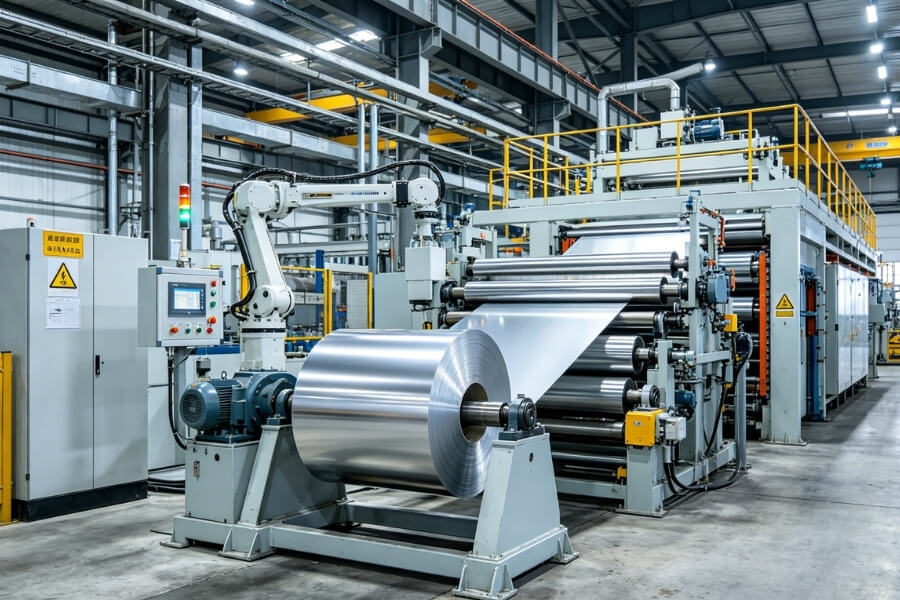
For large-scale cladding panels, coil coating remains the most reliable method. It ensures consistent coating thickness, controlled curing conditions, and uniform finish across production batches.
This level of control is essential for maintaining consistent appearance across large façade areas.
Risks of Inconsistent Application Methods
Less controlled processes may introduce uneven thickness, surface irregularities, and visible variation between panels. These issues often become evident only after installation, when correction is costly.
Manufacturers with integrated production systems, such as Aluwell®, help minimize these risks by maintaining consistency throughout the entire manufacturing process.
How to Choose the Right Finish System for Your Project
Selecting the appropriate surface system requires balancing environmental conditions, design intent, and long-term performance expectations.
Climate Exposure
In coastal or high-UV environments, fluoropolymer-based finishes are recommended. Ignoring environmental exposure often leads to premature surface degradation.
Building Function and Lifecycle Requirements
For long-term commercial façades, high-performance surface systems are required. For interior or low-exposure areas, more cost-efficient options may be sufficient.
Architectural and Visual Requirements
Surface selection directly influences façade expression, including light reflection, color consistency, and perceived material quality. For projects with strong branding or design intent, finish selection becomes a key architectural decision.
Maintenance Considerations
Low surface energy finishes reduce dirt adhesion and simplify cleaning, which is especially important for high-rise or hard-to-access building envelopes.
Through its Collaborative Design approach, ALUMAX helps project teams align material selection with architectural intent and construction requirements.
How Surface Systems Influence Façade Appearance and Design
Surface systems shape how a building is perceived by affecting panel alignment, façade segmentation, and light interaction.
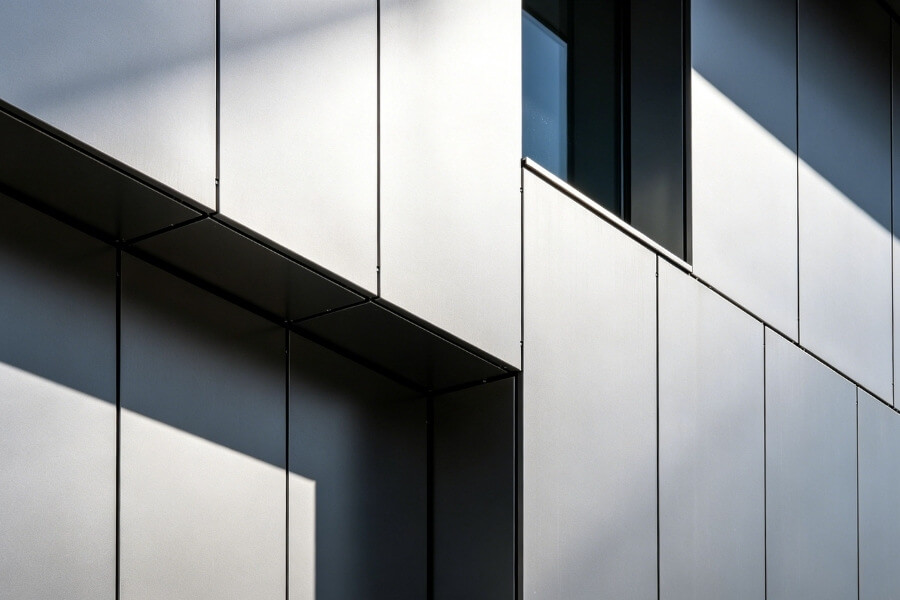
Inconsistent finishes across production batches can result in visible color variation, disrupting the intended design. Maintaining façade consistency requires both high-quality finishes and controlled manufacturing processes.
Real Project Example – Finish Selection in a Coastal Façade
A commercial project located in a coastal environment required cladding capable of withstanding salt air, humidity, and strong UV exposure.
The project specified 4mm PVDF-coated composite panels produced through coil coating to ensure uniform finish quality.
The result was stable color performance across more than 8,000 square feet of façade, with no visible fading or degradation after prolonged exposure. Maintenance requirements were significantly reduced over time.
In projects of this scale, consistent production control becomes critical. Suppliers such as Aluwell® help reduce the risk of visible variation across large installations.
Key Standards and Tests for Evaluating Surface Performance
AAMA standards define coating performance levels, with AAMA 2605 representing the highest level for architectural applications.
Performance should also be verified through adhesion testing, UV weathering simulation, salt spray testing, and flexibility evaluation. These metrics provide objective data for specification decisions.
FAQ
What is the difference between PVDF and FEVE coatings
Both are fluoropolymer-based finishes, but PVDF coatings are widely used for their proven durability and stable performance over time. FEVE coatings offer higher gloss and more vivid color expression, making them suitable for projects where visual impact and architectural aesthetics are more important than cost efficiency.
Why is AAMA 2605 important for ACM panels
AAMA 2605 is the highest standard for architectural coatings, defining strict requirements for UV resistance, color retention, and surface durability. For exterior cladding exposed to harsh conditions, specifying coatings that meet this standard helps prevent early fading, chalking, and long-term performance issues.
Can polyester coatings be used for exterior façades
Polyester finishes may be used in low-exposure outdoor areas, but they are not suitable for long-term façade applications. Limited UV resistance can lead to fading and surface degradation. For projects requiring durability and consistent appearance, higher-performance solutions such as PVDF are generally preferred.
Which coating system is best for coastal or high-pollution areas
In coastal or industrial environments, PVDF-based finishes are typically the most reliable choice. They provide strong resistance to salt spray, humidity, and airborne pollutants while maintaining stable color and surface integrity over time.
How does coating affect color consistency in large façades
Surface systems directly influence color consistency across large panel installations. Differences in coating thickness, batch production, or curing conditions can result in visible variation. Controlled coil-coated panels help maintain uniform appearance across the entire façade.
Is anodized aluminum better than PVDF coatings
Anodized surfaces offer high hardness and a metallic appearance but limited color flexibility. PVDF coatings provide broader design options, more consistent color control, and easier maintenance, making them more suitable for most façade systems.
Can ACM panels be repainted on-site
Repainting composite panels is possible but requires proper surface preparation. Existing PVDF or anodized surfaces have low adhesion, so specialized primers must be applied to ensure long-term coating durability.
How can coating quality be evaluated before purchase
Coating quality should be assessed through recognized standards such as AAMA certification, adhesion testing, and weathering data. Reliable suppliers also provide documentation on color consistency control and technical support.
Choosing the Right Finish System for Long-Term Performance
Selecting the right surface solution for ACM panels is ultimately a lifecycle decision. The wrong choice may not be immediately visible, but it can lead to long-term performance issues, increased maintenance, and compromised façade quality.
By combining technical understanding, environmental evaluation, and reliable manufacturing support, project teams can make informed decisions that ensure both visual and functional performance.
Manufacturers with integrated expertise in coating control, fabrication, and design collaboration, such as Aluwell®, provide a dependable path from concept to completion.