

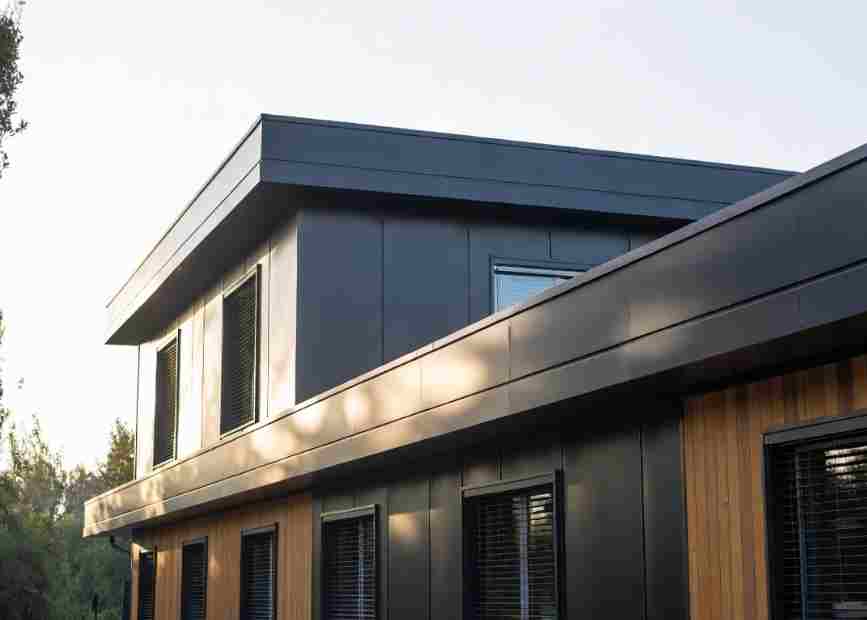
22 Apr
How ACM Panels Are Used in Modern Residential Design
Introduction – Why Residential Design Is Changing
Residential architecture is shifting toward cleaner geometry, tighter material control, and longer performance cycles. Homeowners and architects are no longer satisfied with finishes that look good at completion but degrade over time.
This shift has increased the demand for materials that combine design precision, durability, and constructability. Among these, aluminum composite panels are increasingly used in residential projects because they deliver consistent façade quality while supporting efficient construction methods.
What ACM Panels Are and How They Are Built
ACM panels — also known as aluminum composite panels — are engineered as a layered system that combines two aluminum sheets with a bonded core. This composite structure provides rigidity without the weight associated with solid metal or stone.
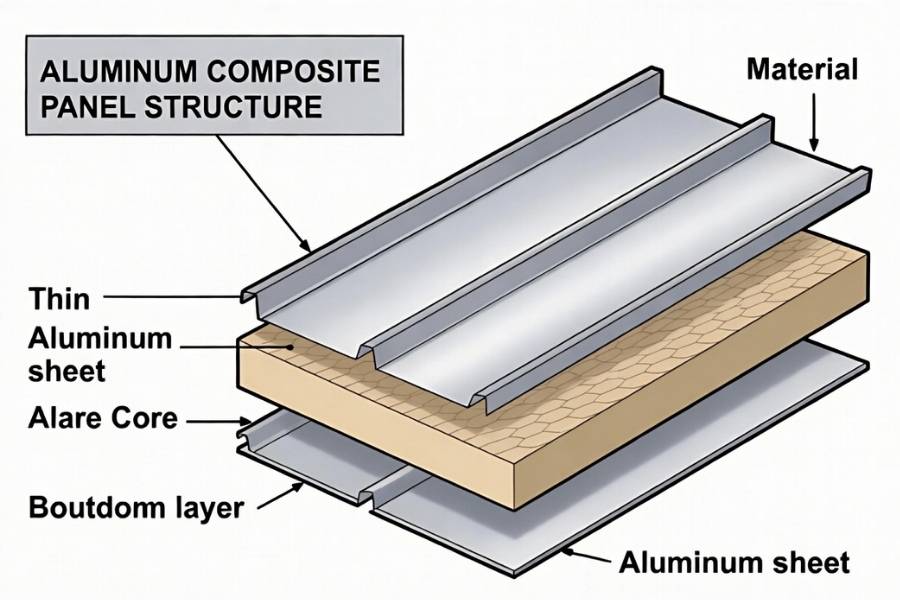
A typical panel includes exterior aluminum face sheets with protective coatings such as PVDF, a core layer that may be polyethylene or a fire-retardant mineral-filled core, and a factory-controlled bonding process that ensures panel flatness and long-term stability.
This structure allows panels to maintain dimensional consistency, which is critical in residential design where façade alignment and joint precision directly affect visual quality. At Aluwell®, production is based on advanced composite manufacturing systems developed through ALUMAX’s long-standing expertise, ensuring stable bonding performance and surface quality across large panel runs.
Why ACM Panels Work Well in Residential Design
Flexible Design and Clean Architectural Lines
Modern residential façades rely on controlled geometry rather than ornamental detailing. These composite panels enable this approach by supporting sharp 90-degree edges, large-format flat surfaces, and precise joint alignment.
In practice, panel joints define visual rhythm across the building envelope. Consistent spacing creates a structured façade language, while irregular spacing disrupts perception. Material contrast is also easier to control, as darker metal composite panels can reduce perceived building scale, while lighter finishes increase reflectivity and openness.
Long-Term Durability and Low Maintenance
Residential projects increasingly prioritize lifecycle performance over initial appearance. The panel system is engineered to resist UV exposure, corrosion, and surface contamination.
The coating system is critical. PVDF coatings provide high resistance to environmental degradation, while color consistency is evaluated using Delta E, which measures differences in color perception. Lower values indicate better consistency across large façades, ensuring long-term visual uniformity.
Fire Safety and Building Code Considerations
Fire safety is a critical factor in residential material selection. These panels are available with fire-retardant cores that support compliance with system-level testing such as NFPA 285.
Fire performance depends on the entire wall assembly, including insulation, substructure, and cavity design. Proper specification ensures that the façade system meets safety requirements without compromising design intent.
Lightweight Panels That Simplify Installation
Compared to stone or solid aluminum, aluminum composite panels significantly reduce structural load. Typical panels weigh approximately 3–8 kg per square meter, making them easier to handle and install.
This lightweight nature supports off-site fabrication, improving installation accuracy and reducing on-site labor complexity while maintaining construction efficiency.
Where ACM Panels Are Used in Residential Projects
Exterior Facades – Clean and Modern Building Envelopes
Aluminum composite panels are widely used as exterior cladding because they provide both visual control and environmental protection.
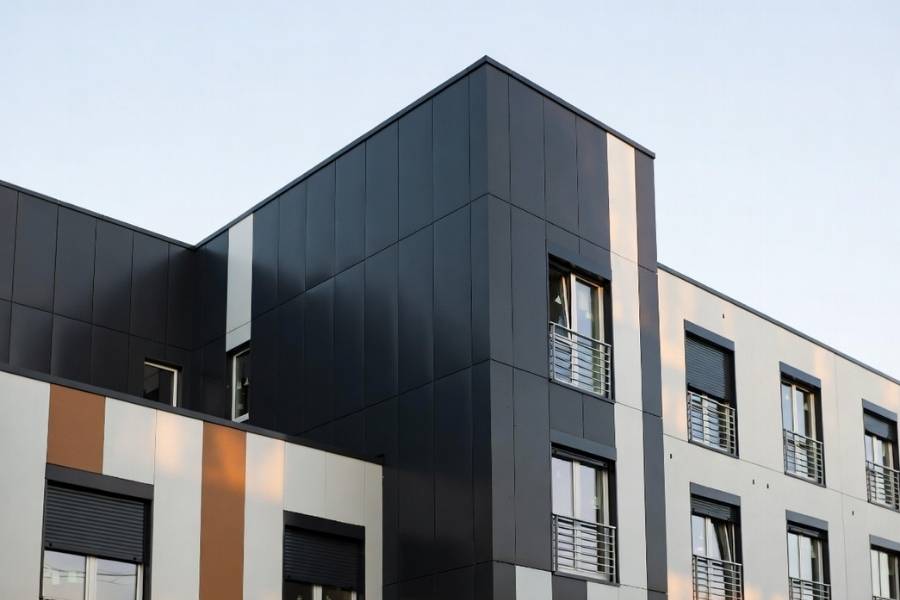
In façade systems, these panels act as the outer layer in rainscreen assemblies, creating a ventilated cavity that allows moisture to escape and improves wall durability.
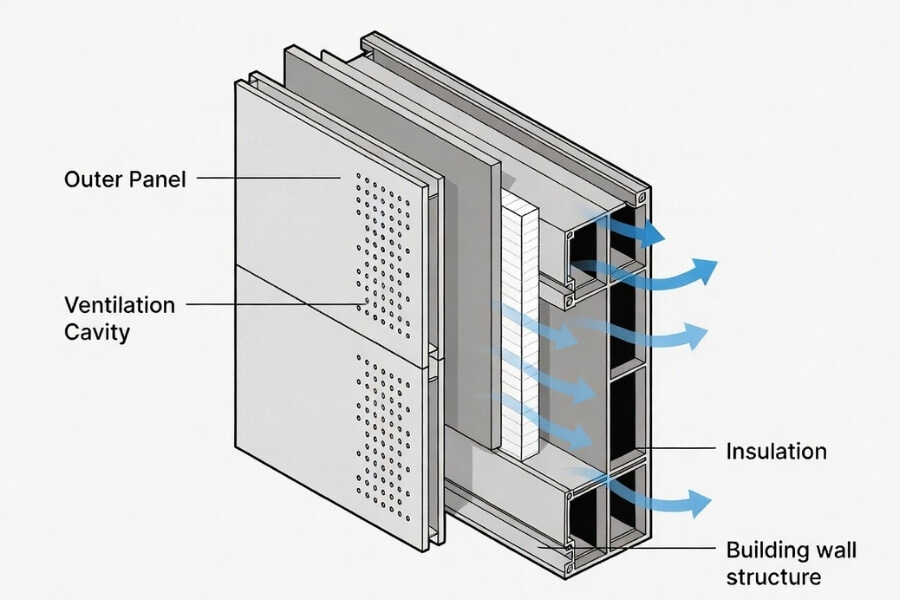
This approach reduces thermal bridging and enhances overall energy performance.
Interior Applications – Walls, Ceilings, and Design Features
The use of composite panels in residential interiors is increasing as designers seek continuity between exterior and interior materials.
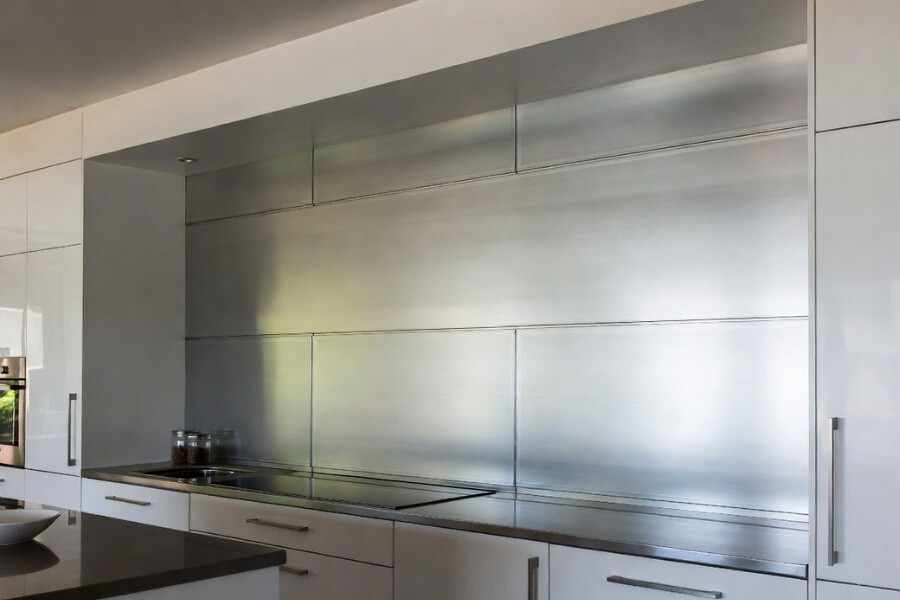
They are commonly used in feature walls, kitchen backsplashes, and ceiling systems, where stable surfaces and moisture resistance are required. These applications benefit from consistent finishes and reduced maintenance compared to traditional materials.
Renovation Projects – Upgrading Existing Homes
In renovation scenarios, these cladding panels offer clear advantages. They can be installed over existing substrates without major structural modification while reducing additional load.
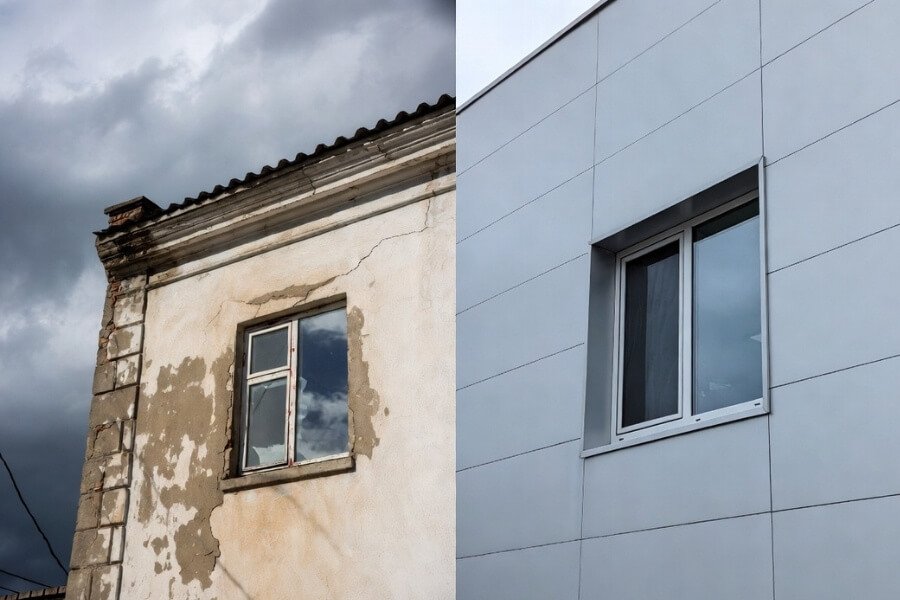
When integrated into ventilated façade systems, they improve thermal performance and moisture management, helping extend the service life of existing buildings.
Case Study – Using ACM Panels in a Modern Modular Home
A custom residential project in Northern California demonstrates how the panel system can unify design and construction in a modular housing context.
Project Background
The project involved a multi-unit modular residence located in a vineyard region, where environmental conditions included high sun exposure and wildfire risk.
Architectural Concept
The design used a limited material palette to maintain clarity. Wood elements introduced warmth, while dark metal composite panels provided contrast and structural definition.
Material Selection
Approximately 8,000–10,000 square feet of 4 mm aluminum composite panels with PVDF coating were specified. A fire-retardant core was selected to address regional fire safety concerns.
Fabrication and Installation
Panels were fabricated into cassette systems and installed as part of a ventilated rainscreen façade, allowing concealed fixing, precise alignment, and faster installation.
Final Impact
The use of these panels eliminated visual fragmentation typically associated with modular construction. The façade reads as a continuous surface while improving durability and fire resistance.
How Architects Use ACM Panels in Design
From a design perspective, these panels are not simply cladding materials but tools for controlling perception.
Architects use them to establish façade rhythm through consistent joint spacing, create material contrast between smooth and textured surfaces, and adjust building scale through color and reflectivity. These strategies allow residential buildings to achieve a refined architectural expression.
Performance Over Time and Sustainability Benefits
Long-term performance is a defining factor in residential material selection. Aluminum composite panels provide resistance to environmental degradation and maintain surface quality over time.
Their recyclable aluminum components support sustainable construction practices, while integration into ventilated façade systems improves thermal efficiency and moisture control.
Working with Aluwell® for Residential Projects
The performance of ACM panels depends on coordination between design, fabrication, and installation. Aluwell®, produced by ALUMAX, supports residential projects through design collaboration, custom fabrication, and modularized solutions that improve installation accuracy and reduce project timelines.
FAQ
Are ACM panels suitable for residential façades
Yes. ACM panels are widely used in residential façades due to their lightweight structure, high rigidity, and ability to deliver clean, modern architectural lines. They also support precise fabrication and consistent surface quality, making them suitable for both custom homes and multi-unit residential developments where long-term performance and visual control are required.
Do ACM panels fade over time
High-quality panels with PVDF coatings offer strong resistance to UV exposure and environmental degradation. Under normal conditions, they maintain color stability for decades. Color consistency is often measured using Delta E values, ensuring that panels across the façade retain a uniform appearance without noticeable fading or discoloration over time.
Can ACM panels match custom colors
Yes. Aluminum composite panels can be customized to match RAL, Pantone, or project-specific samples. Advanced coating systems ensure accurate color reproduction and consistency across large panel areas. This makes them suitable for residential projects that require strict color control, including architect-designed homes and brand-driven developments.
Are ACM panels safe for residential use
Yes. Modern ACM panels do not contain asbestos and can be specified with fire-retardant cores. When integrated into properly designed wall assemblies, they meet relevant fire safety standards such as NFPA 285. This makes them suitable for residential applications where both safety and compliance with building codes are required.
How are ACM panels maintained
Maintenance is minimal. Most surfaces can be cleaned using a soft cloth with mild soap and water. The smooth, coated finish resists dirt accumulation and staining, reducing the need for frequent cleaning. For exterior façades, periodic low-pressure washing is typically sufficient to maintain long-term appearance and performance.
Conclusion – Why ACM Panels Are a Practical Choice for Homes
Aluminum composite panels provide a balance between architectural precision and long-term performance. They allow architects to control façade appearance, improve construction efficiency, and deliver buildings that maintain their quality over time.
For residential projects where durability, design consistency, and efficiency are priorities, this material offers a practical and scalable solution.