

NEWS & ARTICLES
- Home
- /
- NEWS & ARTICLES
23 Mar
Sealed vs Rainscreen — How to Choose the Right Cladding Installation System
Why the Installation System Can Make or Break Your Façade
Choosing a metal composite cladding installation system is not just a technical step in construction. It defines how a building manages water, air pressure, and long-term durability.
Many façade issues are not caused by panel quality alone. They often result from system design decisions that fail to address moisture control, movement, or environmental exposure.
In practice, the installation system and the metal composite panels must work together. When they are aligned, the façade performs reliably. When they are not, even high-quality materials may underperform.
Sealed vs Rainscreen — What’s the Difference
What Is a Sealed System
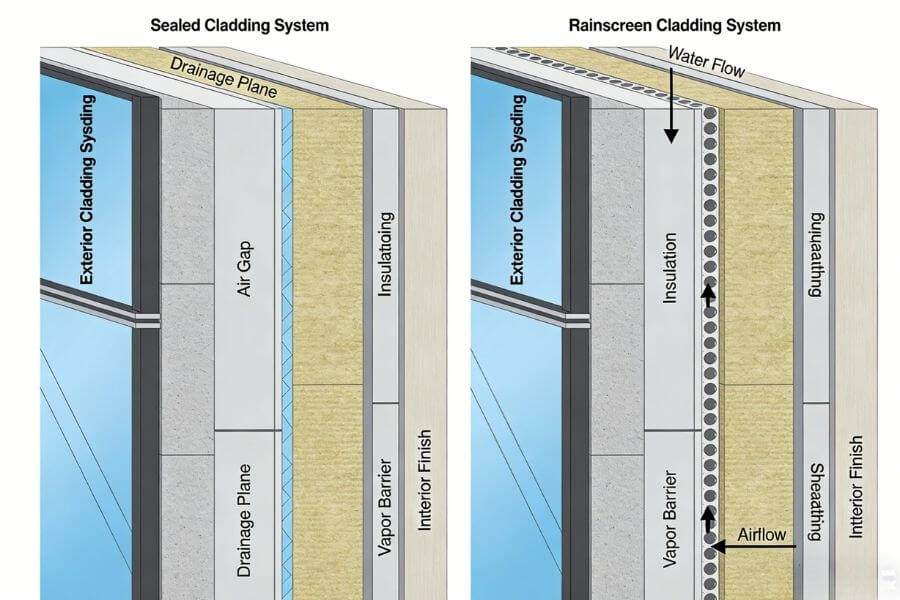
A sealed cladding system relies on the outer surface as the primary barrier against water. Joints are closed using sealants, gaskets, or filler strips.
Typical configurations include wet seal systems using sealant and backer rods, and dry seal systems using gaskets or compression joints.
These systems can perform well in controlled environments. However, their performance depends heavily on long-term sealant integrity, which requires inspection and maintenance.
This approach is generally suitable for low-rise buildings or environments with limited exposure to wind-driven rain.
What Is a Rainscreen System
A rainscreen cladding system manages water rather than attempting to stop it entirely. It uses a dual-layer approach where the outer panel deflects most water and an inner air-water barrier provides secondary protection.
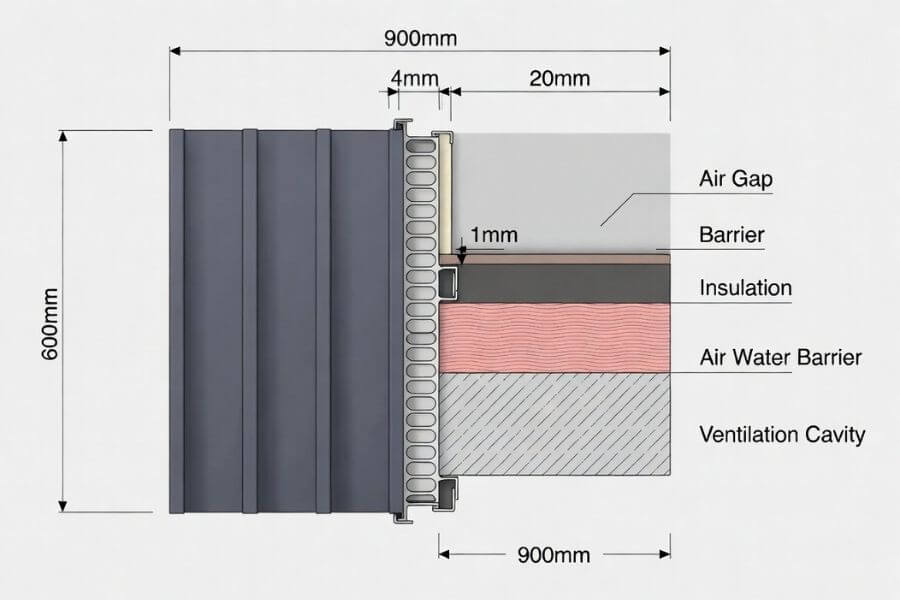
A ventilated cavity between these layers allows drainage and airflow, reducing moisture accumulation and improving façade durability over time.
This system is widely used in commercial buildings, high-rise projects, and environments with more demanding exposure conditions.
PER vs DBVR — Which Rainscreen Type Is Right
Two common rainscreen strategies are used in modern façade systems.
Pressure Equalized Rainscreen systems balance air pressure between the exterior and cavity, reducing water penetration under strong wind conditions. These are often applied in high-performance or high-rise façades.
Drained and Back Ventilated Rainscreen systems allow controlled water entry and rely on drainage and airflow to remove moisture. This approach is widely used due to its balance between performance and constructability.
In most practical applications, DBVR systems are preferred for their reliability and ease of implementation.
Sealed vs Rainscreen — Quick Comparison
| Factor | Sealed System | Rainscreen System |
|---|---|---|
| Water control | Surface sealing | Drainage and ventilation |
| Maintenance | Higher | Lower |
| Risk of failure | Sealant dependent | System managed |
| Climate suitability | Mild conditions | Wide range of climates |
| Typical use | Low-rise | Commercial and high-rise |
For most long-term façade applications, rainscreen systems are generally the preferred solution.
How to Choose the Right System for Your Project
Environmental Conditions
Climate is one of the most important factors in system selection. Coastal environments, high humidity, and strong wind exposure require systems that can effectively manage water and pressure differences.
In these conditions, panel dimensional stability becomes critical. Materials with stable core structures and durable coatings help ensure consistent performance throughout the building lifecycle.
Architectural Design and Aesthetics
Façade systems influence how design intent is expressed through panel layout, joint rhythm, and color consistency.
Projects that emphasize brand identity or visual uniformity often require precise color control and consistent surface finishes. With a wide range of finishes and customization capabilities, solutions such as Aluwell® panels support these architectural requirements.
Code Compliance and Performance Requirements
Modern façade systems must meet standards related to fire safety, air and water resistance, and structural movement.
Material selection and system design must work together to achieve compliance. Fire-retardant panel options and tested coating systems are often required in commercial and high-rise buildings.
Budget and Lifecycle Considerations
While sealed systems may offer lower initial costs, they often require more maintenance over time. Rainscreen systems typically provide better long-term performance by reducing moisture-related risks.
In most commercial projects, lifecycle cost is a more reliable decision factor than initial installation cost.
How Real Projects Decide Between Systems
In real-world construction, system selection is influenced by project type and environmental conditions.
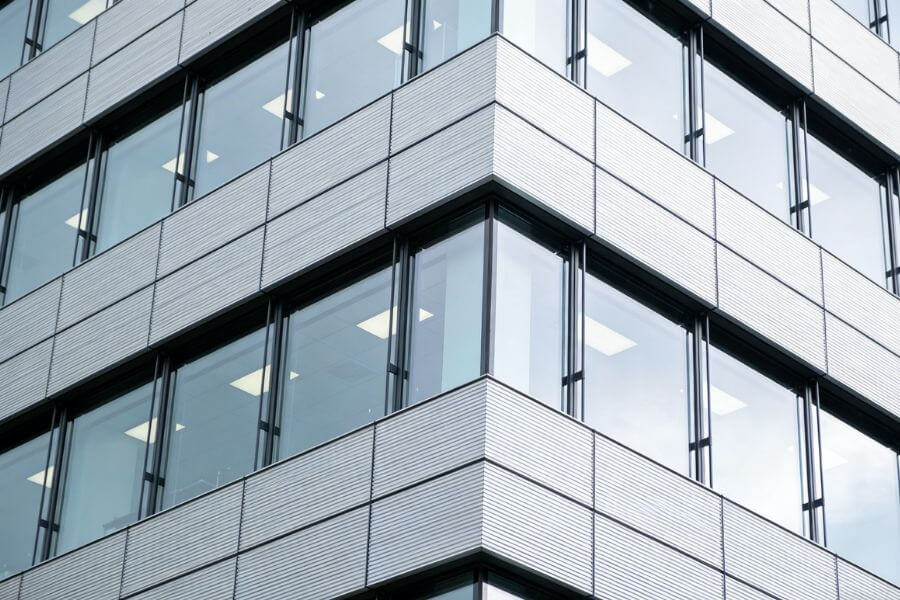
High-rise commercial buildings often adopt rainscreen systems, especially for façade areas exceeding 10,000 square feet. These systems improve resistance to wind-driven rain and reduce long-term maintenance.
In coastal or high-humidity environments, ventilated systems are preferred because they allow continuous drying and reduce moisture accumulation behind panels.
For renovation projects, metal composite panels are widely used due to their lightweight structure. They reduce additional load on existing buildings and allow flexible installation over existing façades.
In these scenarios, fabrication precision and panel flatness directly affect installation efficiency. Materials that offer consistent quality help reduce on-site adjustments and improve overall project outcomes.
How Cladding Systems Are Installed in Real Projects
Subframe and Structural Alignment
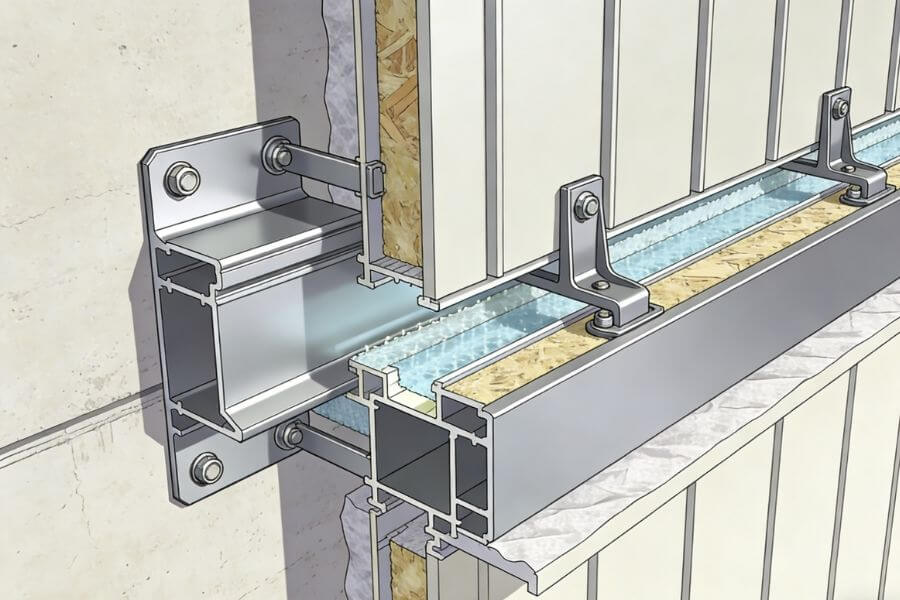
The subframe supports the façade system and defines alignment. Aluminum or steel structures are commonly used, and spacing must be coordinated with panel design to ensure flatness and stability.
Air-Water Barrier Integration
An air-water barrier is installed behind the cladding system to prevent moisture from reaching the building structure. It serves as a critical secondary defense layer, especially in rainscreen systems.
Ventilation Cavity and Air Gap
A ventilation cavity allows drainage and airflow. This reduces moisture buildup and supports long-term façade durability. It is a fundamental component of any rainscreen cladding system.
Panel Fabrication and Installation
Panel installation requires precision to accommodate thermal movement and ensure proper alignment.
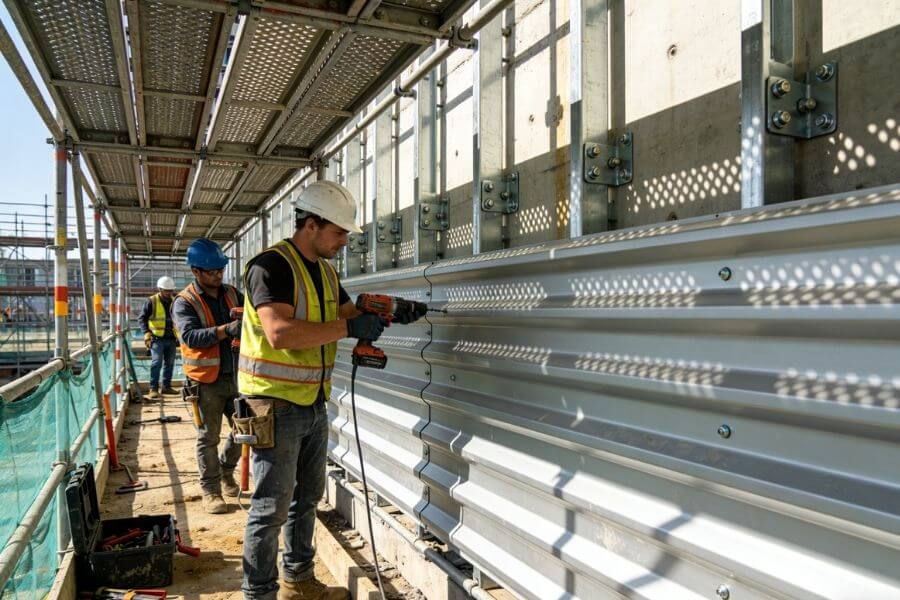
In systems with tight tolerances, panel consistency becomes essential. Materials that support accurate CNC processing and stable geometry help improve installation quality.
For complex projects, combining design coordination, fabrication, and modular pre-assembly can significantly reduce on-site work and improve construction efficiency.
Common Mistakes That Cause Cladding System Failure
Common issues include over-reliance on sealants, insufficient ventilation cavities, poor coordination between design and installation teams, and failure to account for thermal expansion.
Most façade failures are not caused by materials alone but by early system design decisions.
FAQ
Does a cladding system always require an air gap
Yes. Most modern façade systems include a ventilated air gap to support drainage and airflow. This cavity helps prevent moisture accumulation, reduces the risk of condensation, and improves long-term durability, especially in rainscreen cladding systems where continuous ventilation is essential.
Which system is better for long-term performance
In most commercial applications, rainscreen cladding systems are preferred. They manage water through drainage and ventilation rather than relying on surface sealing, which reduces maintenance needs and improves long-term façade performance in varying environmental conditions.
Can metal composite panels be used in retrofit projects
Yes. metal composite panels are lightweight and easy to fabricate, making them well suited for retrofit applications. They can be installed over existing structures with minimal additional load while improving façade appearance, weather resistance, and overall building performance.
How do rainscreen systems handle water
Rainscreen systems control water by combining deflection, drainage, and ventilation. Most water is blocked by the outer panel, while any infiltration is directed through the cavity and removed through airflow, preventing moisture buildup behind the façade.
Do installation systems affect façade lifespan
Yes. The cladding installation system directly influences moisture control, structural stability, and maintenance requirements. A well-designed system reduces long-term risks, while poor system selection can lead to premature failure regardless of panel quality.
Choosing the Right System Starts with the Right Material
A façade system performs as a whole. The installation method determines how the building responds to environmental exposure, while the material defines durability, appearance, and fabrication precision.
Successful projects align system design and material selection from the early stages. Working with a partner that understands both engineering and manufacturing helps reduce risk and improve overall performance.
With long-term experience in composite materials, ALUMAX supports projects through design coordination, processing, and application expertise. In this context, Aluwell® is applied as part of a system-driven façade solution that responds to real construction conditions.
Search
Popular
- Things to Know about Aluminum Composite Panels Installation
- Aluminium Composite Panels-ACP All Information
- Aluminum Composite Materials Market - Global Industry Analysis, Size, Share, Growth, Trends, and Forecast
- How Strong Is Aluminum Composite Panel?
- Aluminum Composite Panel (ACP) Compared to other Building Materials
- ALUWELL- ALUMINIUM HONEYCOMB APPLICATION
- ALUMINIUM COMPOSITE PANEL----- EVERYTHING YOU NEED TO KNOW ABOUT THE MOST POPULAR MATERIAL IN THE CONSTRUCTION INDUSTRY
- Meet Aluwell @Canton Fair, Oct. 23-27, 2023
- What are Nano Aluminum Composite Panels?
- Fire, smoke, and poison (FST) composite resin