

22 Apr
Sustainable ACP Coatings – How Eco-Friendly Finishes Improve Façade Performance
Why ACP Coatings Matter for Sustainable Building Design
Sustainable façade design is no longer defined solely by material selection, as architects and developers must evaluate environmental impact across emissions, durability, and long-term building performance.
Aluminum composite panels are widely used for their lightweight structure and fabrication flexibility, yet the true environmental performance of ACP systems is largely determined by their surface coating system rather than the aluminum substrate alone.
In many projects, a common challenge emerges — how to balance low-emission requirements, long-term durability, and façade performance without increasing lifecycle cost or maintenance complexity.
With decades of experience in composite materials, Aluwell®, produced by ALUMAX Composite Materials Co., supports project teams in selecting coating systems that align environmental compliance with real construction performance.
What Makes an ACP Coating Environmentally Friendly
An environmentally responsible panel coating system is defined not only by its initial emission levels, but also by how it performs throughout its full service life, including application, exposure, and long-term degradation behavior.
Low-VOC Coatings and Emission Control
Volatile organic compounds are typically released during solvent evaporation and curing processes in traditional coatings, contributing to air pollution and indoor environmental concerns.
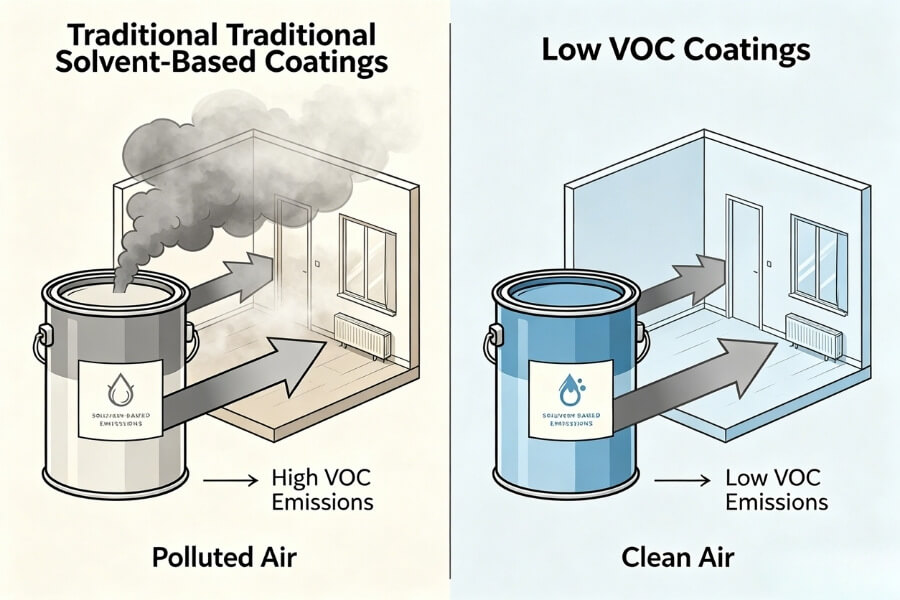
Modern low-emission coating systems reduce these risks through water-based or UV-curable formulations, reduced solvent content, and controlled curing processes that limit long-term emissions. These solutions are particularly relevant in healthcare, education, and commercial environments where indoor air quality is critical.
Safer Materials and Removal of Hazardous Substances
Historically, coating formulations relied on heavy metal-based pigments such as lead and cadmium to achieve high color saturation and durability. These materials are now being phased out due to toxicity and environmental persistence.
Environmentally responsible systems now incorporate stable organic pigment technologies, non-toxic inorganic alternatives, and balanced formulations that maintain durability without hazardous components, reflecting a broader shift toward safer material systems.
PVDF Coatings and High-Performance Finishes
PVDF-based coating systems are widely used in exterior ACP applications due to their long-term chemical stability. This performance is largely driven by the strength of carbon–fluorine bonds, which resist photochemical degradation under prolonged UV exposure.
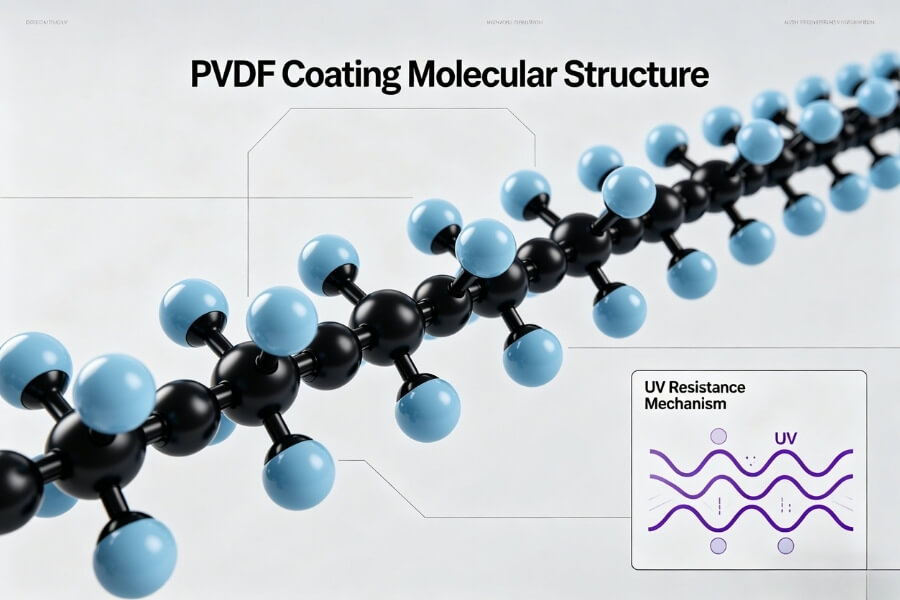
As a result, these finishes provide superior resistance to UV radiation, long-term color stability, and reduced surface degradation over time. Aluwell® supports architects and contractors by providing coating solutions that maintain visual consistency while meeting environmental and durability requirements.
How ACP Coatings Improve Façade Performance and Energy Efficiency
In façade engineering, coating systems are not simply aesthetic finishes, as they directly influence how the building envelope performs over time.
Weather Resistance and Surface Protection
Exterior coating layers act as the primary barrier against environmental exposure, including moisture, pollutants, and UV radiation. High-performance finishes reduce surface degradation, maintain façade integrity, and extend service life.
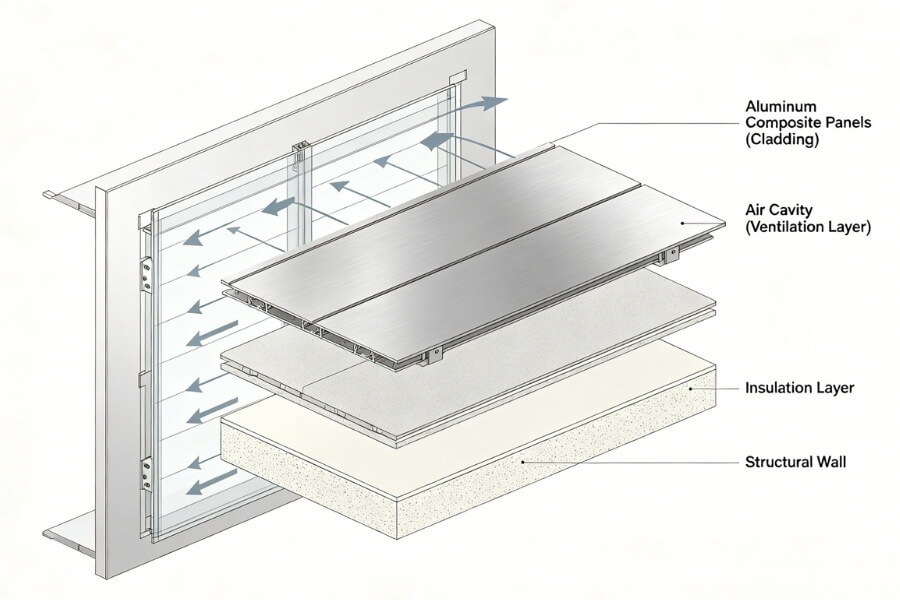
In ventilated rainscreen assemblies, the coating works together with panel design to protect the outer surface while allowing controlled airflow behind the cladding.
Thermal Performance and Energy Savings
Surface finishes influence how buildings respond to solar radiation. Reflective coatings reduce heat absorption, lower cooling demand, and support energy efficiency targets.
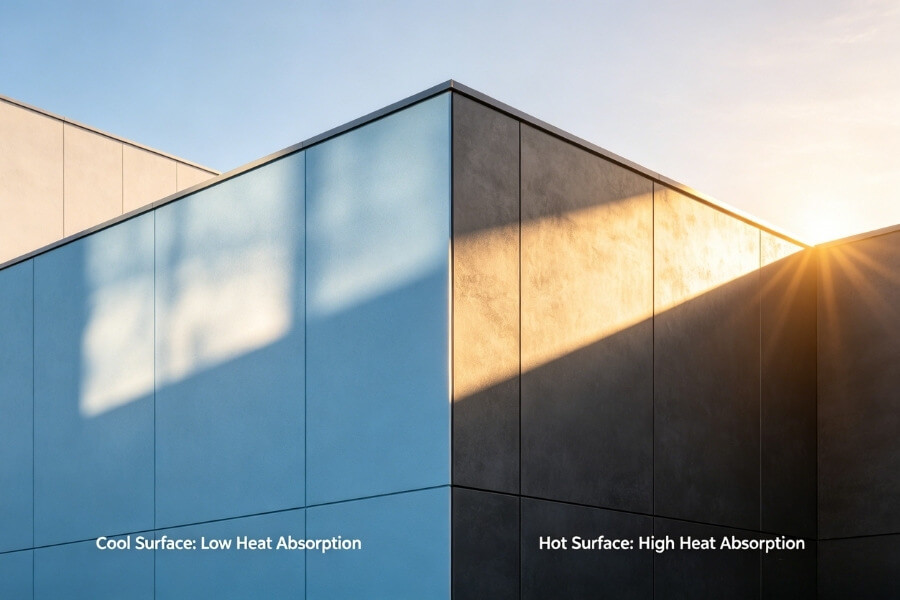
When integrated into façade assemblies, coating systems play a measurable role in reducing operational energy consumption.
Maintenance and Lifecycle Performance
Durability directly impacts maintenance frequency and long-term environmental impact. High-quality exterior coating systems maintain surface integrity, reduce maintenance interventions, and minimize material waste over time, making durability a key sustainability factor.
Key Benefits of Eco-Friendly ACP Coatings
Health and Indoor Safety Benefits
Low-emission finishes contribute to safer indoor environments by minimizing chemical exposure during and after installation.
Aluwell® supports applications requiring strict hygiene control by offering ACP solutions suitable for healthcare, food processing, and educational environments, helping reduce contamination risks while maintaining performance.
Energy Efficiency and Environmental Impact
Energy efficiency is a key component of sustainable construction, and panel coating systems play a direct role in improving building performance. Reflective finishes reduce heat absorption, lower energy consumption, and contribute to reduced carbon emissions.
Aluwell® works with project teams to align façade performance with environmental targets.
Durability and Long-Term Performance
Durability defines the long-term environmental value of façade materials. In a recent commercial façade application, more than 8,000 square feet of ACP panels with PVDF surface finishes were installed as part of a ventilated façade system.
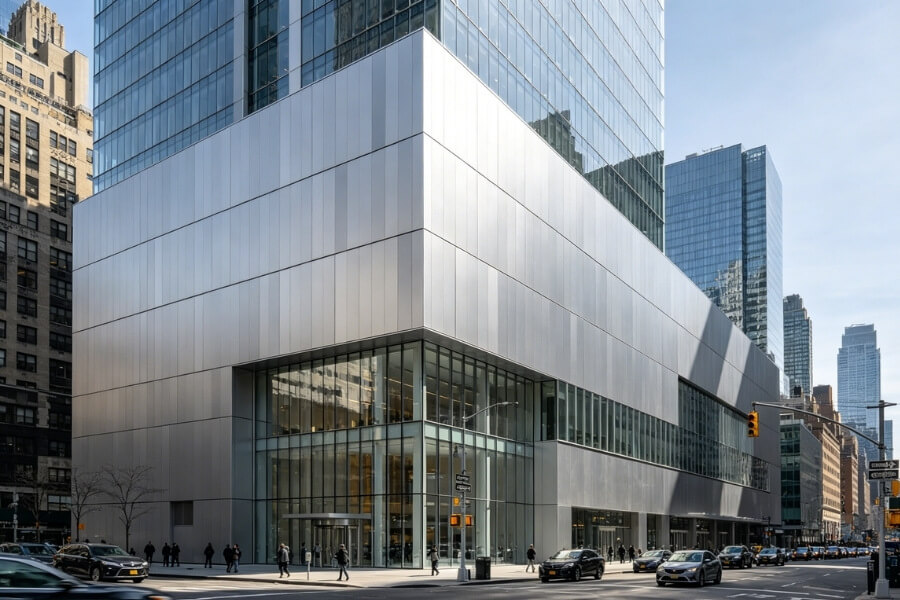
After several years of exposure in a high-UV environment, the panels maintained color consistency within a low Delta E range, demonstrating stable long-term performance and reducing maintenance and replacement cycles.
Environmental Standards and Certifications for ACP Coatings
Environmental performance must be supported by verifiable data rather than general claims.
LEED Certification and Green Building Requirements
ACP systems contribute to LEED certification through recycled aluminum content, low-emission finishes, and improved façade energy performance, supporting credits related to materials and environmental quality.
EPD and Lifecycle Assessment Explained
Environmental Product Declarations provide third-party verified data on environmental impact, while Lifecycle Assessment evaluates energy use, operational performance, and end-of-life recyclability.
Aluwell® assists project teams by providing technical documentation to support certification and compliance processes.
Latest Innovations in Sustainable ACP Coating Technology
Coating technologies continue to evolve in response to environmental regulations and performance demands.
Key developments include nano-coating systems for improved durability, digital finishing technologies that reduce processing steps, integration with fire-resistant cores, and enhanced recyclability of aluminum-based systems.
Aluwell® applies advanced coating and processing expertise to support both architectural flexibility and environmental performance.
FAQ — ACP Coating Sustainability and Performance
Do low-VOC coatings compromise performance
Modern low-emission coating systems, including PVDF and water-based technologies, deliver comparable or improved durability, weather resistance, and chemical stability compared to traditional solvent-based coatings, ensuring environmental benefits without sacrificing long-term façade performance.
Is PVDF coating more sustainable than PE coating
PVDF coating systems typically offer service lives exceeding 20 years, significantly reducing recoating frequency and maintenance requirements, which lowers overall environmental impact compared to PE coatings with shorter durability.
Are aluminum composite panels recyclable
Yes, aluminum composite panels are recyclable, as the aluminum layers can be recovered and reused with substantially lower energy consumption compared to primary aluminum production, supporting circular material use and reducing environmental impact.
How can ACP coating sustainability be verified
Sustainability can be verified through Environmental Product Declarations, VOC emission data, and lifecycle assessment reports, which provide measurable and third-party validated information on environmental impact and material performance.
Where are antibacterial ACP systems typically used
Antibacterial ACP systems are commonly used in healthcare facilities, laboratories, food processing environments, and educational buildings where hygiene control and surface cleanliness are critical to operational safety.
Are fire-resistant ACP systems more environmentally responsible
Fire-resistant ACP systems improve safety by reducing flame spread and limiting toxic emissions during fire events, making them more suitable for high-rise and public buildings where safety and environmental performance are both essential.
Choosing the Right ACP Coating for Sustainable Projects
Selecting the right coating system for ACP panels requires a balanced evaluation of environmental performance, durability, and project-specific requirements.
Project teams should consider VOC levels, coating lifespan, façade system compatibility, certification support, and long-term maintenance implications.
Sustainable façade design depends on how materials perform over time, not just how they are specified at the beginning of a project.
By combining coating expertise, material engineering, and project-level support, Aluwell® helps architects, contractors, and developers implement façade solutions that meet both environmental and performance expectations in real construction environments.